
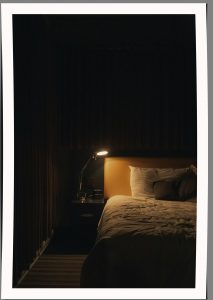
If your anxiety feels manageable during the day but ramps up the moment you lie down, you’re not imagining it.
Nighttime anxiety is incredibly common—and often confusing. You might finally have a chance to rest, yet your thoughts speed up, your body feels tense, and sleep feels out of reach.
There’s a reason this happens, and it has nothing to do with weakness or lack of coping skills.
🧠 Why Anxiety Often Peaks at Night
Anxiety doesn’t follow logic—it follows the nervous system. At night, several factors come together that make anxiety feel louder and harder to manage.
Fewer Distractions, Louder Thoughts
During the day, your mind is busy with work, conversations, responsibilities, and problem-solving. These distractions naturally keep anxious thoughts at bay.
At night, when things quiet down, the thoughts you’ve been pushing aside finally have space to surface. Worries that felt manageable earlier can suddenly feel overwhelming simply because there’s nothing competing with them.
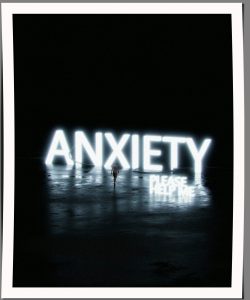 🔋 Your Nervous System Is Tired
By evening, your nervous system has been working all day.
When we’re emotionally and physically fatigued, our ability to regulate stress decreases. This makes anxious sensations—like racing thoughts, tightness in the chest, or restlessness—feel more intense at night than they did earlier.
This isn’t a failure of coping. It’s exhaustion.
Suppressed Emotions Catch Up
Many people get through the day by staying emotionally contained. You manage your feelings so you can meet expectations, take care of others, and keep moving.
Nighttime is often the first moment your body has permission to stop holding everything together. When that happens, unprocessed emotions and worries surface—not because you’re “overthinking,” but because they haven’t had space before.
🔮 Anticipatory Anxiety About Tomorrow
Nighttime anxiety often includes worries about what’s ahead:
- What didn’t get done today
- What needs to happen tomorrow
- What could go wrong
This future-focused anxiety can make it hard for your body to settle, even if you logically know you’re safe in the moment.
What Nighttime Anxiety Can Feel Like
Nighttime anxiety looks different for everyone, but common experiences include:
- Racing or looping thoughts
- A tight chest or shortness of breath
- Restlessness or an inability to relax
- A sense of dread or unease
- Difficulty falling or staying asleep
These sensations can feel frightening, but they are anxiety responses—not signs that something is wrong with you.
🚫 Why “Just Relax” Doesn’t Work
Anxiety isn’t something you can think your way out of.
When your nervous system is activated, telling yourself to calm down often increases frustration and self-criticism. Anxiety is a body-based response, which is why logic and reassurance alone usually aren’t enough—especially at night.
 🛠️ How Therapy Helps With Nighttime Anxiety
Therapy helps address nighttime anxiety at its root, not just the symptoms. In therapy, we work on:
- Understanding your specific anxiety patterns and triggers
- Learning nervous system regulation skills
- Processing underlying stress, burnout, or trauma
- Reducing rumination and anticipatory worry
- Creating routines that support emotional safety
Over time, therapy helps your body relearn that nighttime is safe, making rest feel more accessible again.
🤍 A Gentle Reminder
Struggling with anxiety at night doesn’t mean you’re fragile, failing, or doing something wrong.
It means you’ve been holding a lot—and your body is asking for care.
If nighttime anxiety is interfering with your sleep or quality of life, you don’t have to keep managing it alone.
Therapy Lady offers compassionate, online therapy for anxiety, stress, and emotional overwhelm. Support is available—even when your anxiety feels loudest.